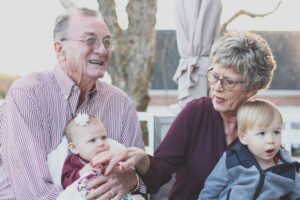
The concept of retirement in the UK is undergoing a dramatic transformation, driven by increasing life expectancies, evolving societal attitudes, and a growing desire among older adults to remain active and engaged. This “active ageing revolution” is reshaping traditional notions of retirement, emphasizing continued learning, volunteering, part-time work, and maintaining an active social life well into later years.
The Shifting Landscape of Retirement
For generations, retirement was seen as a period of rest and relaxation after a lifetime of work. However, this picture is rapidly changing. People are living longer and healthier lives, meaning that retirement can now span several decades. This extended lifespan necessitates a rethinking of how we approach these years, focusing not just on financial security but also on maintaining physical and mental well-being, finding purpose, and staying connected to the community. The retirement age is also a critical consideration in this shifting landscape. While the state pension age is steadily increasing, currently at 66 and set to rise to 67 between 2026 and 2028, many individuals are choosing to work beyond this age, either out of financial necessity or a desire to remain active and engaged.
The Economic Imperative of Active Ageing
The active ageing revolution is not just about individual well-being; it also has significant economic implications for the UK. As the population ages, a shrinking workforce will need to support a growing number of retirees. Encouraging older adults to remain active contributors to the economy, whether through paid employment or volunteering, can help to alleviate this burden. A report by the Centre for Ageing Better highlights the potential economic benefits of improving the health and employment prospects of older workers. This includes increased tax revenue, reduced pressure on social care services, and the transfer of valuable skills and experience to younger generations. For example, initiatives like the “Mid-Life MOT,” offered by some employers and supported by the government, are designed to help individuals assess their financial, health, and skills needs in mid-life, enabling them to plan for a longer and more fulfilling working life.
Financial Planning for an Active Retirement
A cornerstone of a successful active retirement is sound financial planning. This involves not only accumulating sufficient savings to cover living expenses but also managing those savings effectively to ensure they last throughout retirement. Many individuals are now exploring a range of investment options, including stocks and shares ISAs, property, and pension drawdown schemes. It’s crucial to seek independent financial advice to understand the risks and potential returns associated with each option. Some useful resources include the MoneyHelper website, which offers free and impartial guidance on financial planning, and the Pensions Advisory Service, which provides free advice on pension-related matters. Moreover, understanding the nuances of state pension eligibility and claiming procedures is paramount. You can check your state pension forecast on the GOV.UK website. Remember that delaying claiming your state pension can result in a higher monthly payment.
The Importance of Continued Learning and Skills Development
Staying mentally sharp and adaptable is essential for a fulfilling active retirement. Continued learning and skills development can help older adults to remain competitive in the job market, pursue new hobbies and interests, and stay connected to the world around them. There are numerous opportunities for lifelong learning in the UK, ranging from free online courses to university-level programs. The University of the Third Age (U3A) is a popular organization that offers a wide range of learning and social activities for older adults. Many local authorities also provide adult education courses at subsidized rates. The Open University offers flexible and affordable degree programs, allowing individuals to study at their own pace. Developing digital literacy skills is particularly important in today’s technology-driven world. Being able to use computers, tablets, and smartphones can open up new opportunities for communication, entertainment, and access to information.
Volunteering and Social Engagement
Volunteering is a fantastic way for older adults to give back to their communities, make new friends, and stay active. Numerous charities and voluntary organizations in the UK rely on the support of volunteers to deliver essential services. Volunteering can also provide a sense of purpose and fulfillment, helping to combat feelings of isolation and loneliness. Organizations like the Royal Voluntary Service and Age UK offer a variety of volunteering opportunities. Finding a cause that resonates with your interests and values can enhance the volunteering experience. Consider volunteering at a local school, hospital, library, or community center. Even a few hours a week can make a significant difference. Beyond volunteering, maintaining an active social life is crucial for mental and emotional well-being. Joining clubs and societies, attending social events, and staying in touch with friends and family can help to prevent social isolation and promote a sense of belonging.
The Role of Technology in Active Ageing
Technology plays an increasingly important role in supporting active ageing. Assistive technology, such as hearing aids, mobility aids, and home automation systems, can help older adults to maintain their independence and quality of life. Telehealth services, such as remote monitoring of vital signs and virtual consultations with healthcare professionals, can improve access to healthcare and reduce the need for hospital visits. The use of technology can also facilitate social connection, with video conferencing tools and social media platforms enabling older adults to stay in touch with loved ones who live far away. However, it’s important to address the digital divide and ensure that all older adults have access to the necessary technology and training to use it effectively. Local libraries and community centers often offer computer classes and digital literacy training for older adults. Organizations like AbilityNet provide tailored support and advice on assistive technology.
Housing Options for an Active Retirement
Housing is a critical consideration for an active retirement. Many older adults choose to downsize to smaller, more manageable properties. Others prefer to stay in their own homes but may require modifications to make them more accessible and suitable for their changing needs. Retirement communities, which offer a range of services and amenities tailored to older adults, are becoming increasingly popular. These communities often include on-site healthcare facilities, social activities, and transportation options. Another option is to consider cohousing communities, where residents share communal facilities and activities, fostering a sense of community and mutual support. When choosing a housing option, it’s important to consider not only the physical aspects of the property but also its location and proximity to amenities such as shops, transportation, and healthcare services. Considering lifetime mortgages or equity release schemes is also important for many.
Health and Wellbeing: A Foundation for Active Ageing
Good health and wellbeing are fundamental to enjoying an active retirement. Maintaining a healthy lifestyle, including regular exercise, a balanced diet, and adequate sleep, is essential for preventing chronic diseases and preserving physical and mental function. Regular health check-ups and screenings can help to detect health problems early and prevent them from becoming more serious. The NHS offers a range of preventative health services for older adults, including flu vaccinations, bowel cancer screening, and NHS Health Checks. Mental health is just as important as physical health. Staying mentally active through hobbies, learning, and social interaction can help to prevent cognitive decline and maintain mental wellbeing. If you are struggling with mental health problems such as anxiety or depression, it’s important to seek help from a healthcare professional. There are also numerous support groups and counseling services available for older adults. Don’t underestimate the power of mindfulness and meditation in managing stress and improving overall well-being.
Case Studies: Examples of Active Ageing in Action
To illustrate the active ageing revolution in action, let’s look at some real-life examples:
- Margaret, 72: After retiring from a career in teaching, Margaret volunteered at a local primary school, helping children with their reading. She also joined a choir and learned to play the ukulele.
- David, 68: David started his own consultancy business after retiring from his corporate job. He provides business advice to small and medium-sized enterprises. He also enjoys cycling and hiking.
- Susan, 75: Susan moved to a retirement community that offers a range of activities and amenities. She participates in exercise classes, book clubs, and social events. She also uses technology to stay in touch with her family who live overseas.
These are just a few examples of how older adults are redefining retirement and living fulfilling, active lives. These individuals demonstrate the diverse ways in which people can engage in work, volunteering, learning, and social activities after reaching retirement age.
Challenges and Opportunities
While the active ageing revolution presents many opportunities, there are also challenges that need to be addressed. One of the biggest challenges is ageism, which can limit opportunities for older adults in the workplace and in other areas of life. It’s important to challenge ageist stereotypes and promote a more positive view of ageing. Another challenge is ensuring that all older adults have access to the resources and support they need to live active and fulfilling lives, regardless of their socioeconomic background. This includes access to affordable healthcare, housing, and transportation, as well as opportunities for learning and social engagement. Addressing the gender pension gap is also crucial, as women often have lower pension incomes than men due to factors such as career breaks for childcare and lower earnings over their working lives. Efforts to promote gender equality in the workplace and to improve women’s access to pension savings can help to address this gap.
Furthermore, the COVID-19 pandemic has had a disproportionate impact on older adults, exacerbating existing challenges such as social isolation and loneliness. It’s important to ensure that older adults have access to the support they need to recover from the pandemic and to reconnect with their communities. The pandemic has also highlighted the importance of digital inclusion, as many older adults have struggled to access online services and stay in touch with loved ones during lockdowns. Investing in digital literacy training and providing affordable internet access can help to bridge the digital divide.
Reimagining Societal Attitudes
At the heart of the active ageing revolution are changing societal attitudes towards ageing. Instead of viewing older adults as a burden on society, we need to recognize their valuable contributions and potential. This involves promoting intergenerational connections and creating age-friendly communities that are inclusive and accessible to people of all ages. Employers also have a crucial role to play in valuing the experience and skills of older workers and providing opportunities for them to continue working beyond traditional retirement ages. This can involve offering flexible working arrangements, providing training and development opportunities, and creating a culture that values diversity and inclusion. Ultimately, creating a society that supports active ageing requires a collective effort from individuals, families, communities, businesses, and governments.
FAQ Section
What is active ageing?
Active ageing is the process of optimizing opportunities for health, participation, and security in order to enhance quality of life as people age. It applies to both individuals and population groups. It allows people to realize their potential for physical, social, and mental wellbeing throughout their lives and to participate in society according to their needs, desires and capacities, while providing them with adequate protection, security and care when they require assistance.
What is the current state pension age in the UK?
The current state pension age in the UK is 66, and it is set to rise to 67 between 2026 and 2028.
How can I improve my financial readiness for retirement?
Start saving early and consistently. Seek independent financial advice. Understand your pension options and make informed decisions about how to draw down your pension savings. Explore different investment options. Review your finances regularly and adjust your plans as needed.
What are some ways to stay active after retirement?
Consider volunteering for a charity or community organization. Join a club or society that aligns with your interests. Take up a new hobby or learn a new skill. Stay physically active through exercise, walking, or gardening. Maintain an active social life by spending time with friends and family.
Where can I find resources and support for active ageing?
Numerous organizations and websites offer resources and support for active ageing, including Age UK, the Royal Voluntary Service, the University of the Third Age (U3A), and the MoneyHelper website. The NHS website also provides information on health and wellbeing for older adults. Your local council can also offer advice on services and support available in your area.
References
- Centre for Ageing Better. . Report on the economic benefits of active ageing.
- GOV.UK. . Information on state pension eligibility and claiming procedures.
- MoneyHelper Website. Free impartial financial planning.
- Pensions Advisory Service. Free advice on pension issues.
The active ageing revolution is well underway, and it’s time to seize the opportunities it presents. Don’t let traditional notions of retirement limit your potential. Start planning today for a fulfilling, active, and engaged future. Invest in your health, finances, and skills. Explore new interests and passions. Connect with your community. Make the most of your longer, healthier life. Contact an independent financial advisor to create a tailored financial plan for your retirement, or check out a local adult education center to explore new learning opportunities. Remember, your retirement can be the most rewarding chapter of your life.