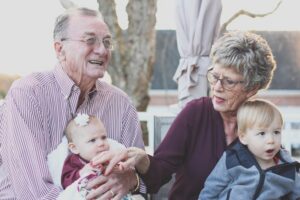
Retirement, often envisioned as a period of relaxation and freedom, can unexpectedly bring about profound loneliness for many in the UK. The absence of a daily work routine, coupled with the potential loss of social connections associated with employment, can leave individuals feeling isolated and disconnected. This article explores the growing issue of loneliness in retirement within the UK, examining its causes, impact, and, most importantly, offering practical strategies for building a strong and supportive network to combat it.
Understanding the Loneliness Epidemic in UK Retirement
Loneliness isn’t simply about being alone; it’s about the subjective feeling of being disconnected from others, of lacking meaningful relationships and social interaction. This feeling can be particularly acute in retirement, a life stage often marked by significant changes. According to Age UK, over one million older people in the UK are chronically lonely, a statistic that highlights the widespread nature of the problem. While not all older adults are retired, retirement significantly contributes to the factors influencing loneliness. Research from the Campaign to End Loneliness suggests that loneliness can have a comparable effect on mortality as smoking 15 cigarettes a day.
The causes of loneliness in retirement are multifaceted. A primary factor is the loss of the social structure provided by the workplace. For decades, many individuals have relied on their jobs for daily interaction, camaraderie, and a sense of purpose. Retirement abruptly removes this framework, leaving a void that can be difficult to fill. Geographic relocation, often undertaken to downsize or move closer to family, can also exacerbate loneliness if individuals find it challenging to establish new connections in an unfamiliar environment. Furthermore, factors such as declining health, the loss of a spouse or partner, and reduced mobility can further limit social opportunities and contribute to feelings of isolation. The COVID-19 pandemic further exacerbated this issue, with older adults, particularly those shielding, experiencing increased levels of loneliness and social isolation. A report by the Centre for Ageing Better highlights the pandemic’s disproportionate impact on older adults’ social connections.
The Impact of Loneliness on Health and Well-being
The impact of loneliness extends far beyond emotional distress. It has been linked to a range of serious health problems, both physical and mental. Studies have demonstrated a correlation between loneliness and an increased risk of heart disease, stroke, type 2 diabetes, and cognitive decline, including Alzheimer’s disease. Mentally, loneliness can contribute to depression, anxiety, and a reduced quality of life. In fact, research published in the journal Perspectives on Psychological Science shows that loneliness can increase the risk of depression by up to 50%. Furthermore, lonely individuals may be more likely to engage in unhealthy behaviors, such as poor diet, lack of exercise, and substance abuse, further compounding the negative effects on their health.
The financial cost of loneliness is also significant. The Marmot Review highlighted the economic impact of loneliness and social isolation, estimating that it costs the UK government billions of pounds each year through increased healthcare use and social care support. Addressing loneliness proactively is therefore not only a matter of individual well-being but also a crucial element of public health policy.
Building a Strong Support Network: Practical Strategies for UK Retirees
Combating loneliness in retirement requires a proactive and multifaceted approach. Building a strong support network involves consciously cultivating relationships, engaging in meaningful activities, and seeking out resources and support within the community. Here are some practical strategies that UK retirees can implement:
1. Reconnecting with Existing Relationships
One of the first steps in building a strong support network is to nurture existing relationships. This includes reaching out to family members, friends, and former colleagues. Schedule regular phone calls, video chats, or in-person visits to maintain connections and foster a sense of belonging. Consider organizing family gatherings or reunions to strengthen bonds and create new memories. Sometimes, rekindling friendships from earlier stages of life can bring unexpected joy and companionship. Don’t be afraid to initiate contact and express your desire to reconnect.
Example: John, a retired teacher in Manchester, felt increasingly isolated after losing his wife. He decided to make an effort to reconnect with former colleagues by organizing a monthly lunch group for retired teachers. This provided him with a regular social outlet and a renewed sense of purpose.
2. Joining Clubs and Groups
Joining clubs and groups that align with your interests is an excellent way to meet new people and build a sense of community. The UK offers a wide range of clubs and groups catering to diverse hobbies and interests, from gardening and book clubs to walking groups and historical societies. Check local community centers, libraries, and online platforms like Meetup to find groups that suit your preferences. The University of the Third Age (U3A) is a particularly valuable resource for retirees, offering educational, recreational, and social activities specifically designed for older adults. Membership fees are typically affordable, often around £20-£40 per year, providing access to a wide range of courses, workshops, and social events.
Example: Mary, a retired nurse in Cornwall, joined a walking group organized by her local U3A branch. She enjoyed exploring the scenic coastline with her fellow walkers and quickly formed friendships with several members. This provided her with regular exercise, social interaction, and a sense of belonging.
3. Volunteering Your Time
Volunteering is a fulfilling way to give back to the community, make a difference in the lives of others, and combat loneliness. Numerous charities and community organizations in the UK rely on volunteers to deliver essential services. Consider volunteering at a local hospital, school, library, or animal shelter. Age UK, the Royal Voluntary Service, and local community centers are great places to find volunteering opportunities. Volunteering not only provides social interaction but also offers a sense of purpose and accomplishment, which can be particularly beneficial during retirement.
Example: David, a retired accountant in London, began volunteering at a local soup kitchen. He found the work incredibly rewarding and enjoyed interacting with the staff, volunteers, and clients. This provided him with a sense of purpose and a strong connection to his community.
4. Learning New Skills
Enrolling in courses or workshops to learn new skills can be a stimulating and engaging way to combat loneliness. Many community colleges, adult education centers, and online platforms offer courses on a wide range of subjects, from art and music to technology and languages. Lifelong learning not only keeps the mind sharp but also provides opportunities to meet new people who share your interests. The Open University offers distance learning courses that are accessible from anywhere in the UK, providing flexible learning options for retirees. Local libraries often host free workshops and classes on topics such as computer skills and creative writing.
Example: Susan, a retired librarian in Edinburgh, enrolled in a digital photography course at her local community college. She enjoyed learning new techniques and experimenting with different styles of photography. She also met several other retirees in the course who shared her passion for photography, and they formed a photography club that met regularly to take photos and share their work.
5. Embracing Technology
Technology can be a powerful tool for combating loneliness, particularly for those who have limited mobility or live in remote areas. Video conferencing platforms like Skype, Zoom, and FaceTime allow you to connect with family and friends regardless of distance. Social media platforms like Facebook and Twitter can help you stay in touch with acquaintances and join online communities based on your interests. Online forums and support groups provide a space to connect with others who are going through similar experiences. Be aware that there is a fee for some online groups to maintain standards.
Example: George, a retired farmer in rural Wales, uses Skype to video chat with his grandchildren who live in Australia. He also participates in an online forum for retired farmers, where he shares his experiences and connects with other farmers from around the world. This helps him stay connected and engaged despite his geographic isolation.
6. Staying Active and Healthy
Maintaining physical and mental health is crucial for combating loneliness. Regular exercise releases endorphins, which have mood-boosting effects. Joining a gym, taking a brisk walk, or participating in a fitness class can help you stay active and meet new people. A healthy diet provides the nutrients your body needs to function optimally and support mental well-being. Prioritizing sleep and managing stress are also important for maintaining overall health and reducing feelings of loneliness. The NHS offers resources and advice on healthy living for older adults.
Example: Margaret, a retired accountant in Birmingham, attends a weekly yoga class at her local community center. She finds that the yoga helps her relax, reduce stress, and improve her overall well-being. She also enjoys the social interaction with the other participants in the class.
7. Seeking Professional Support
If feelings of loneliness persist despite your efforts to build a support network, consider seeking professional help. Talking to a therapist or counselor can provide you with coping strategies and support in addressing the underlying causes of your loneliness. The NHS offers mental health services, and there are also numerous private therapists and counselors in the UK who specialize in working with older adults. Charities like Age UK and The Silver Line also offer befriending services and emotional support.
The Silver Line provides a free, confidential helpline for older people across the UK, offering friendship, information, and advice. They can be reached at 0800 4 70 80 90.
Example: Robert, a retired engineer in Newcastle, felt overwhelmed by loneliness after the death of his wife. He sought counseling from a therapist who specialized in grief and loss. The therapist helped him process his grief, develop coping strategies, and identify ways to rebuild his social network. This helped him overcome his feelings of loneliness and improve his overall quality of life.
8. Participating in Community Events
Keep an eye on local community newsletters, websites, and notice boards for upcoming events. These could include festivals, fairs, concerts, workshops, or even simple coffee mornings. Attending these events provides an opportunity to meet people in your local area and become more integrated into the community. It’s a low-pressure way to strike up conversations and find common interests.
Example: Sarah, newly retired and recently moved to a small village in Devon, felt quite isolated. She noticed a flyer for a village fete and decided to attend. She volunteered to help at the cake stall and soon met several locals, learning about the village history and other community activities. This helped her feel more connected and welcome.
9. Consider Intergenerational Programs
Intergenerational programs bring together older and younger generations to share experiences, skills, and knowledge. These programs can take many forms, such as mentoring schemes, reading programs in schools, or shared art projects. Participating in intergenerational activities can provide a sense of purpose and fulfillment, as well as reduce ageism and social isolation. Contact local schools, libraries, or community centers to find out about intergenerational programs in your area.
Example: Michael, a retired history teacher, volunteers at a local primary school, helping children with their reading skills. He enjoys sharing his love of books and connecting with the younger generation. The children also benefit from his knowledge and experience, creating a mutually beneficial relationship.
10. Fostering a Pet
While not a substitute for human interaction, having a pet can provide companionship, reduce stress, and encourage physical activity. Caring for a pet requires responsibility, which can provide a sense of purpose and routine. Dogs, in particular, encourage outdoor activity through walks, leading to interactions with other pet owners. If you’re not ready for a full-time pet, consider fostering an animal from a local shelter.
Example: Elizabeth, a retired widow, decided to foster a rescue dog from a local animal shelter. The dog provided her with much-needed companionship, and she enjoyed taking it for walks in the park. She also met other dog owners in the park, expanding her social network.
Addressing Specific Challenges: Moving to a New Area in Retirement
Relocating in retirement can offer many benefits, such as a more affordable cost of living, a warmer climate, or proximity to family. However, it can also present unique challenges in terms of building a support network. Here are some tips for overcoming these challenges:
- Research local resources: Before moving, research community centers, clubs, and groups in your new area. Use online search engines and local directories to identify potential social outlets.
- Introduce yourself to neighbors: Make an effort to meet your neighbors and introduce yourself. A simple “hello” can go a long way in building relationships.
- Join a newcomer’s group: Many communities have newcomer’s groups that provide support and social activities for people who have recently moved to the area. Search for these groups online or contact your local council.
- Attend local events: Attend community events, such as festivals, markets, and concerts, to meet new people and learn about your new surroundings.
- Be patient: Building a strong support network takes time. Don’t get discouraged if you don’t make friends immediately. Keep putting yourself out there and being open to new experiences.
Cost Considerations
While many activities that combat loneliness are free or low-cost, it’s important to consider potential expenses. Membership fees for clubs and groups can range from a few pounds to several hundred pounds per year. Courses and workshops can also vary in price, depending on the subject and duration. Transportation costs, such as bus fares or petrol, can add up, especially if you live in a rural area. If you’re considering seeking professional help, therapy or counseling sessions can cost £50-£100 per hour. Budgeting for these potential expenses can help you plan your activities and ensure that you can afford to participate in the social activities that are important to you.
Many organizations offer financial assistance to help older adults access social and recreational activities. Age UK provides information and advice on benefits and financial support for older people. Local councils may also offer grants or discounts for certain activities.
Case Studies: Success Stories in Combating Loneliness
Case Study 1: Margaret, a 72-year-old widow, felt isolated and lonely after her husband passed away. She decided to join a local book club and a walking group. She found that the book club provided her with intellectual stimulation and the opportunity to discuss interesting topics with others. The walking group helped her stay active and enjoy the outdoors. Over time, she formed close friendships with several members of both groups, and her feelings of loneliness gradually diminished.
Case Study 2: David, a 68-year-old retired engineer, moved to a new city to be closer to his grandchildren. He found it difficult to make new friends in his new surroundings. He decided to volunteer at a local museum, where he shared his knowledge of engineering with visitors. He enjoyed interacting with people from all walks of life and felt a sense of purpose in his volunteer work. He also met several other volunteers who shared his interests, and they formed a social group that met regularly for coffee and outings.
These case studies illustrate the power of proactive engagement and the importance of finding activities that align with your interests and values. By taking initiative and seeking out opportunities for social interaction, you can build a strong support network and combat loneliness in retirement.
FAQ: Addressing Common Concerns
What if I’m too shy to join a group or club?
It’s understandable to feel shy about joining a new group, especially if you’re naturally introverted. Start by attending a meeting or event as an observer. This will give you a chance to see if the group is a good fit for you without feeling pressured to participate. You can also bring a friend or family member for support. Remember that everyone in the group was a newcomer at some point, and most people are welcoming and understanding.
I live in a rural area with limited access to social activities. What can I do?
Living in a rural area can present challenges in terms of accessing social activities. Consider exploring online options, such as video conferencing with friends and family, joining online communities, or taking online courses. You can also look into transportation options to attend activities in nearby towns or cities. Some community organizations offer transportation services for older adults living in rural areas. The Parish Council may provide useful information.
I’m struggling with depression and loneliness. Should I seek professional help?
Yes, if you’re experiencing persistent feelings of depression and loneliness, it’s important to seek professional help. A therapist or counselor can provide you with coping strategies and support in addressing the underlying causes of your loneliness. The NHS offers mental health services, and there are also numerous private therapists and counselors in the UK who specialize in working with older adults. Discuss your concerns with your GP.
How can I encourage my elderly parent to be more social?
Encouraging an elderly parent to be more social requires patience and understanding. Start by discussing the benefits of social interaction and the potential impact of loneliness on their health and well-being. Offer to help them find activities that align with their interests and abilities. Provide transportation or arrange for transportation services. If they are hesitant to participate in group activities, consider a befriending service or one-on-one visits with a volunteer.
What is the Silver Line and how can it help?
The Silver Line is a free, confidential helpline for older people across the UK, offering friendship, information, and advice. They provide a listening ear and can connect you with local services and support groups. You can call them 24 hours a day, 7 days a week on 0800 4 70 80 90.
References
- Age UK. (n.d.). Loneliness.
- Campaign to End Loneliness. (n.d.).
- Centre for Ageing Better. (n.d.).
- Holt-Lunstad, J., Smith, T. B., Baker, M., Harris, T., & Stephenson, D. (2015). Loneliness and social isolation as risk factors for mortality: a meta-analytic review. Perspectives on Psychological Science, 10(2), 227-237.
- The Marmot Review Team. (2020). Build Back Fairer: The COVID-19 Marmot Review. Institute of Health Equity.
- NHS. (n.d.).
Don’t let loneliness define your retirement. Take proactive steps to build a strong support network and embrace this new chapter with joy and connection. Start small, be patient, and remember that you’re not alone. Reaching out is the first step towards a more fulfilling and socially connected retirement. Explore the resources mentioned, connect with your community, and rediscover the joy of shared experiences. Your journey to a more connected and happier retirement starts now!