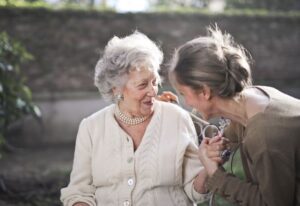
Retirement in the UK isn’t just about pensions and savings; it’s significantly shaped by the strength of your community. A strong support network can provide emotional well-being, practical assistance, and a sense of belonging, all crucial for a fulfilling retirement. Neglecting to build this network can lead to isolation and vulnerability, impacting your overall quality of life during this significant transition.
Retirement: More Than Just Finances
For many, the word ‘retirement’ conjures images of sun-drenched beaches, travel, and endless relaxation. While financial security is undeniably important, a successful retirement encompasses so much more. It’s about maintaining your physical and mental health, finding purpose, and staying connected to the world around you. Loneliness and isolation are significant risks for retirees, with studies consistently showing a link between social isolation and increased health risks. In fact, Age UK reports that over a million older people in the UK are chronically lonely. Building a strong community is a potent antidote to this potential pitfall.
The UK Landscape: Retirement Realities
Understanding the specifics of retirement in the UK is vital. The state pension provides a baseline income, but often supplemental pensions (either workplace or private) are needed to maintain a comfortable lifestyle. The current full basic state pension is around £169.50 per week (2024/25), underscoring the need for planning and often, continued involvement in the community to supplement income or provide resources.
Beyond finances, consider the UK’s social fabric. Many retirees choose to relocate, seeking warmer climates within the country or downsizing to smaller properties. This can disrupt existing social ties, making the active building of new communities even more critical. Furthermore, access to healthcare, transportation, and local amenities significantly impacts the quality of life for retirees, highlighting the importance of a supportive local environment. The NHS provides healthcare, but navigating the system often requires support from family, friends, or local services.
Identifying Your Retirement Needs
Before diving into community building, take time to consider your individual needs and preferences. What kind of support do you anticipate requiring? Do you have specific health concerns? Are you looking for social activities, intellectual stimulation, or practical assistance with tasks such as gardening or home maintenance?
Think about your ideal retirement lifestyle. Do you envision volunteering, pursuing hobbies, spending time with family, or simply enjoying quiet relaxation? Your answers to these questions will guide your efforts in building a relevant and supportive community.
Here are some initial questions to ponder:
- What are your current social connections like? Are you satisfied with the level of support you receive?
- What are your interests and hobbies? Are there local groups or organisations you could join?
- What practical assistance might you need in the future (e.g., transportation, home maintenance, personal care)?
- Are you prepared to offer support to others in your community? Reciprocity is key to building strong relationships.
Building Your Retirement Support Network: Practical Strategies
Reconnecting with Existing Relationships
Start by nurturing the relationships you already have. Family members, friends, former colleagues, and neighbours can form the bedrock of your support network. Make a conscious effort to stay in touch, schedule regular visits or phone calls, and actively participate in family events. Consider rekindling old friendships or reaching out to former colleagues for lunch or coffee. Technology can be a powerful tool for maintaining connections, with video calls and social media platforms facilitating communication across distances.
Practical tip: Schedule a regular “catch-up” call or visit with a friend or family member. It’s easy to let these things slip, so making it a habit ensures you stay connected.
Joining Local Groups and Organisations
The UK boasts a vast array of local groups and organisations catering to a wide range of interests. Joining one or more of these groups is an excellent way to meet new people, share your passions, and contribute to your community. Look for groups that align with your hobbies (e.g., book clubs, gardening societies, walking groups), interests (e.g., history societies, political organisations, religious groups), or skills (e.g., craft clubs, technology workshops, language classes).
Here are some ideas on where to look:
- Local Libraries: Libraries often host a variety of events and activities, from book clubs to computer classes.
- Community Centres: Community centres are hubs for local activities and services, including exercise classes, social groups, and volunteer opportunities.
- The U3A (University of the Third Age): The U3A is a national organisation that provides learning opportunities for older adults.
- Local Councils: Local council websites and newsletters often list community events and activities.
- Volunteering Organisations: Organisations like the Royal Voluntary Service or Age UK have different volunteering opportunities.
Start small – attend a meeting or event and see if it’s a good fit for you. Don’t be afraid to try different groups until you find one where you feel comfortable and connected.
Volunteering Your Time and Skills
Volunteering is a win-win activity. It allows you to give back to your community, use your skills and experience, and meet new people who share your values. In the UK, there are countless volunteering opportunities available, ranging from helping out at a local charity shop to mentoring young people to assisting at a community event. Volunteering can provide a sense of purpose and accomplishment in retirement, helping to combat feelings of isolation and boredom.
Here’s how to find Volunteering Opportunities:
- The National Council for Voluntary Organisations (NCVO): The NCVO is a national body that promotes volunteering and provides information and resources for volunteers.
- Reach Volunteering: Links skilled professionals with charities and not-for-profit organisations needing their expertise.
- Do-it.org: Offers a national database for volunteering opportunities.
Consider volunteering in a field that interests you or where you can use your existing skills. For example, if you have experience in finance, you could volunteer as a treasurer for a local charity. Or, if you enjoy working with children, you could volunteer at a school or after-school club.
Remember that even a few hours of volunteering a week can make a significant difference to your community – and to your own well-being.
Embracing Lifelong Learning
Retirement is an ideal time to pursue new interests and expand your knowledge. Enrolling in a course or workshop can provide intellectual stimulation, a sense of accomplishment, and opportunities to meet like-minded people. The UK offers a wide range of learning options for retirees, from formal university courses to informal community classes. Many universities offer reduced tuition fees for seniors or free audit options. Community colleges and adult education centres offer diverse courses ranging from art and languages to computer skills and creative writing.
Consider also online courses: many online platforms, such as FutureLearn FutureLearn or Coursera Coursera, provide various courses and workshops accessible from the comfort of your own home. This can be convenient if transportation is limited, or in locations where in-person learning options are restricted.
Leveraging Technology
Technology can be a powerful tool for building and maintaining your retirement support network. Smartphones, tablets, and computers can connect you with family and friends, enable you to participate in online communities, and provide access to a wealth of information and resources. Many retirees find that using social media platforms like Facebook or Twitter helps them stay in touch old friends.
Online Forums: Look at online forums and communities related to hobbies, health conditions, or general retirement discussions. These offer a space to share experiences, get advice, and connect with others facing similar challenges.
If technology isn’t your strength, consider taking a computer class or asking a friend or family member to teach you the basics. There are often free classes specifically for older adults, offered by local libraries or community centres.
Building Community Where You Live
Your neighbours can be a valuable source of support and companionship. Make an effort to get to know the people who live near you. Start by saying hello, striking up a conversation, and offering assistance where possible. Organise or participate in local events such as street parties, coffee mornings, or gardening projects. Building relationships with your neighbours can create a sense of belonging and provide a safety net in case of emergencies.
Consider joining your local Neighbourhood Watch scheme. This is a great way to connect with your neighbours and help to keep your community safe, which is particularly beneficial for those with mobility issues.
Financial Considerations
Building a strong community doesn’t always have to be expensive. Many community activities are free or low-cost, such as attending local library events, volunteering, or joining a walking group. However, some activities may require membership fees or equipment costs. For example, joining a gym or fitness class, taking a continuing education course, or participating in a travel group may involve some expenditure.
Take a look at your overall budget and identify areas where you can allocate funds to support your community-building efforts. Check for senior discounts and concessions that may be available for activities you’re interested in. Many local councils and charities offer grants or financial assistance to help older adults participate in community events. Age UK and similar organisations can offer advice on this topic.
Overcoming Barriers to Community Engagement
There can be various obstacles to building a retirement support network. Here are some common challenges and how to overcome them:
- Lack of Transportation: If you have difficulty getting around, explore transportation options such as public transport, community buses, taxi services, or volunteer driver schemes. Some local councils offer discounted or free transport for older adults.
- Health Issues: If you have health concerns, look for activities that are tailored to your needs and abilities. There are exercise classes specifically for people with arthritis, walking groups for those with mobility issues, and social groups for people with dementia.
- Financial Constraints: As mentioned earlier, there are many free or low-cost community activities available. Focus on these options or seek financial assistance if needed.
- Shyness or Social Anxiety: It can be daunting to join a new group or approach someone you don’t know. Start small by attending a less crowded event or bringing a friend with you. Remind yourself that many people feel nervous in new social situations, and that most people are welcoming and friendly.
- Caregiving Responsibilities: If you are a caregiver, it can be challenging to find time for social activities. Respite care services can provide temporary relief, although accessing NHS respite care can often present difficulties. Consider joining a caregiver support group, where you can connect with other caregivers and share your experiences.
Case Studies
Case Study 1: Mary’s Transformation
Mary, a retired teacher in her late 60s, felt isolated and lonely after her husband passed away. Her children lived far away, and she struggled to adjust to life on her own. A friend suggested that she join a local book club, and Mary reluctantly agreed. At first, she felt nervous and out of place. However, the other members were welcoming and shared her love of literature. Over time, Mary became more comfortable and confident. She formed close friendships with some of the members, and they started meeting for coffee and lunch outside of the book club meetings. The book club helped Mary to reconnect with her passion for reading, to combat her loneliness, and to build a strong support network.
Case Study 2: John’s Active Retirement
John, a retired engineer, wanted to stay active and engaged in retirement. He joined a local walking group and started volunteering at a nearby environmental organisation. The walking group provided him with regular exercise and opportunities to enjoy the outdoors. Volunteering allowed him to use his skills and experience to make a difference in his community. John also took a computer class at his local library to improve his technology skills. These activities helped John to stay physically and mentally active, to meet new people, and to maintain a sense of purpose in retirement.
Ongoing Maintenance of Your Network
Building a strong retirement support network is not a one-time effort; it requires ongoing maintenance and nurturing. Stay in touch with your friends and family, attend community events regularly, and continue to seek out new opportunities to connect with others. Be open to forming new relationships and be willing to offer support to others in your network. Remember that reciprocity is key to building strong and lasting relationships.
Seeking Professional Support
While building a community is largely a social endeavor, there may be circumstances where professional support is needed. Consider seeking professional help if you are struggling to cope with loneliness or isolation, experiencing mental health issues, or requiring assistance with personal care or home maintenance services. Several organisations in the UK offer services specifically tailored to the needs of older adults. These may be either freely provided by the NHS or Local Council, or offered by private companies for a fee.
- Age UK: Age UK is a national charity that provides information and support to older people.
- The Silver Line: The Silver Line is a free, confidential helpline for older people.
- Local Social Services: Your local council’s social services department can provide assessments and referrals to various services, including home care, respite care, and day centres.
FAQ Section
Here are some frequently asked questions about building a retirement support network in the UK:
What if I’m new to an area and don’t know anyone?
Moving to a new area can be challenging, but it also presents a fresh opportunity to build new relationships. Start by attending local events, joining community groups, or volunteering. Introduce yourself to your neighbours and make an effort to get to know them. Don’t be afraid to strike up conversations with people you meet. Remember that building a network takes time, and it’s okay to start small.
How do I deal with social anxiety when trying to connect with others?
Social anxiety is a common issue, but it doesn’t have to prevent you from building a support network. Start by identifying your specific anxieties and developing strategies to manage them. Consider attending a less crowded event or bringing a friend with you. Practice relaxation techniques or mindfulness exercises to calm your nerves. Set realistic expectations for yourself and don’t put too much pressure on yourself to be perfect. If your social anxiety is severe, consider seeking professional help from a therapist or counsellor.
What if I have mobility issues and can’t get out easily?
Mobility issues can make it more difficult to participate in community activities, but there are still many ways to stay connected. Explore transportation options such as community buses, taxi services, or volunteer driver schemes. Look for online groups and communities that cater to your interests. Use technology to stay in touch with friends and family through video calls, social media, or email. Consider inviting friends or family to visit you at home or hiring a home care worker to provide companionship and assistance.
How do I handle conflicts within my support network?
Conflicts are a normal part of any relationship, including those within your support network. When conflicts arise, try to communicate clearly and respectfully. Listen to the other person’s perspective and try to understand their point of view. Be willing to compromise and find a solution that works for both of you. If the conflict is difficult to resolve on your own, consider seeking mediation or counselling.
Is it too late to start building a support network in later retirement?
It’s never too late to start building a support network. While it may be more challenging in later retirement, it’s still possible to form new relationships and strengthen existing ones. Focus on your current needs and interests and seek out opportunities to connect with others who share your values and priorities. Remember that any connection is better than none, and even a small support network can make a big difference in your quality of life.
References
Age UK. (n.d.). Loneliness. Retrieved from Age UK Website.
The National Council for Voluntary Organisations (NCVO) (n.d.). Volunteering.
Ready to Build Your Retirement Community?
Don’t wait until retirement arrives to start building your support network. Begin today by identifying your needs, reaching out to existing contacts, and exploring community options. Even small steps, like joining a local club or volunteering an hour a week, can significantly impact your future well-being. The power of community is immense, and a strong network can transform your retirement from a time of potential isolation into a period of connection, purpose, and fulfillment. Take the initiative – your future self will thank you.